Koh Lanta offers access to a varied range of diving in southern Thailand, including well-known areas such as Koh Haa, Koh Rok, Hin Daeng and Hin Muang. Explore the dive sites around the region and start planning your next diving trip.
Discover dive sites around Koh Lanta, from colourful reefs and island sites to deeper offshore pinnacles. Explore the area’s dive sites and find places that match your diving experience.
👉 Explore all dive sites in Koh Lanta
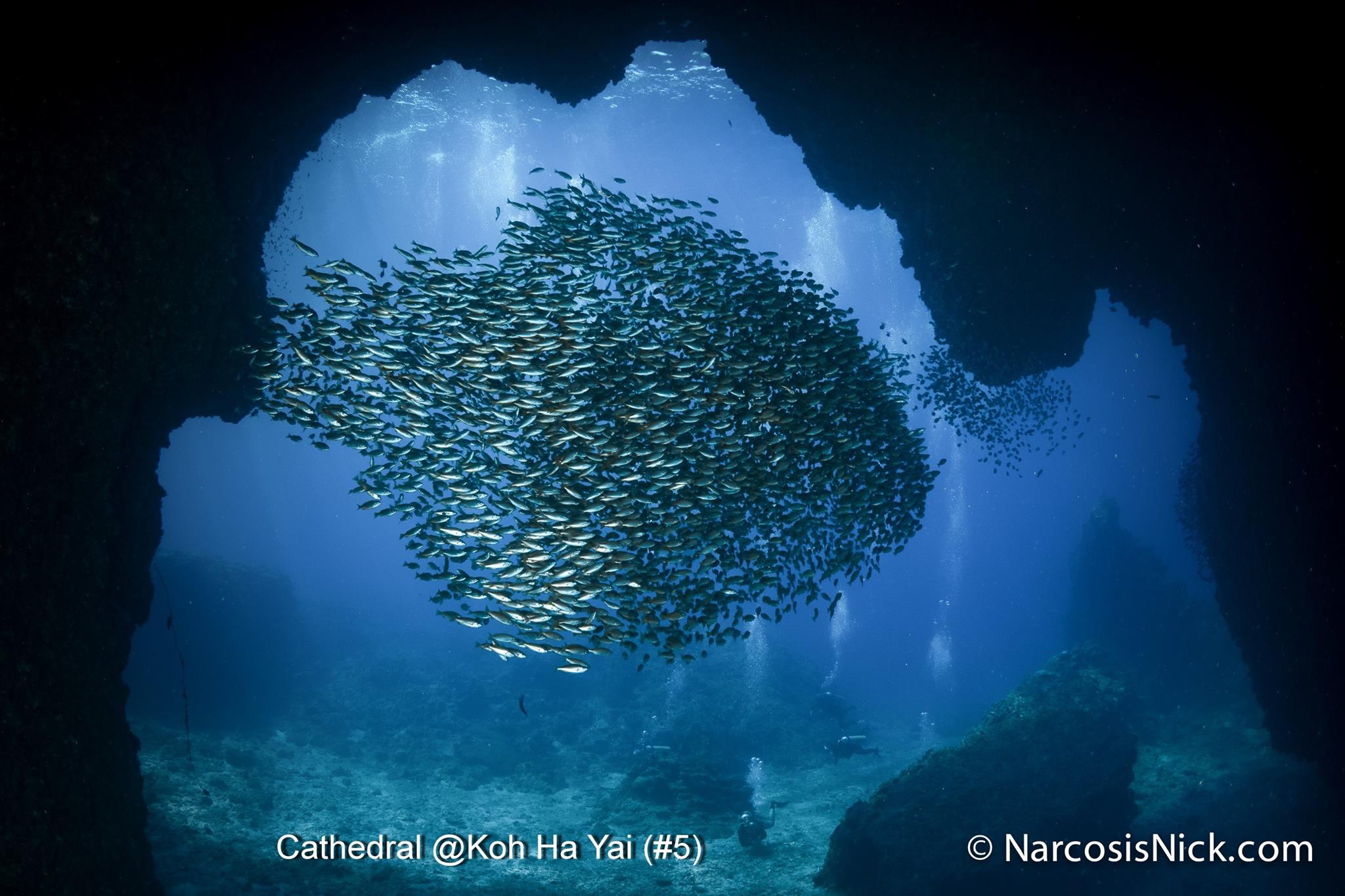
Koh Lanta is one of Thailand’s well-known diving destinations in the Andaman Sea and a popular starting point for boat trips to offshore reefs, islands and pinnacles. Dive areas such as Koh Haa, Koh Rok, Hin Daeng and Hin Muang offer a varied range of underwater environments.
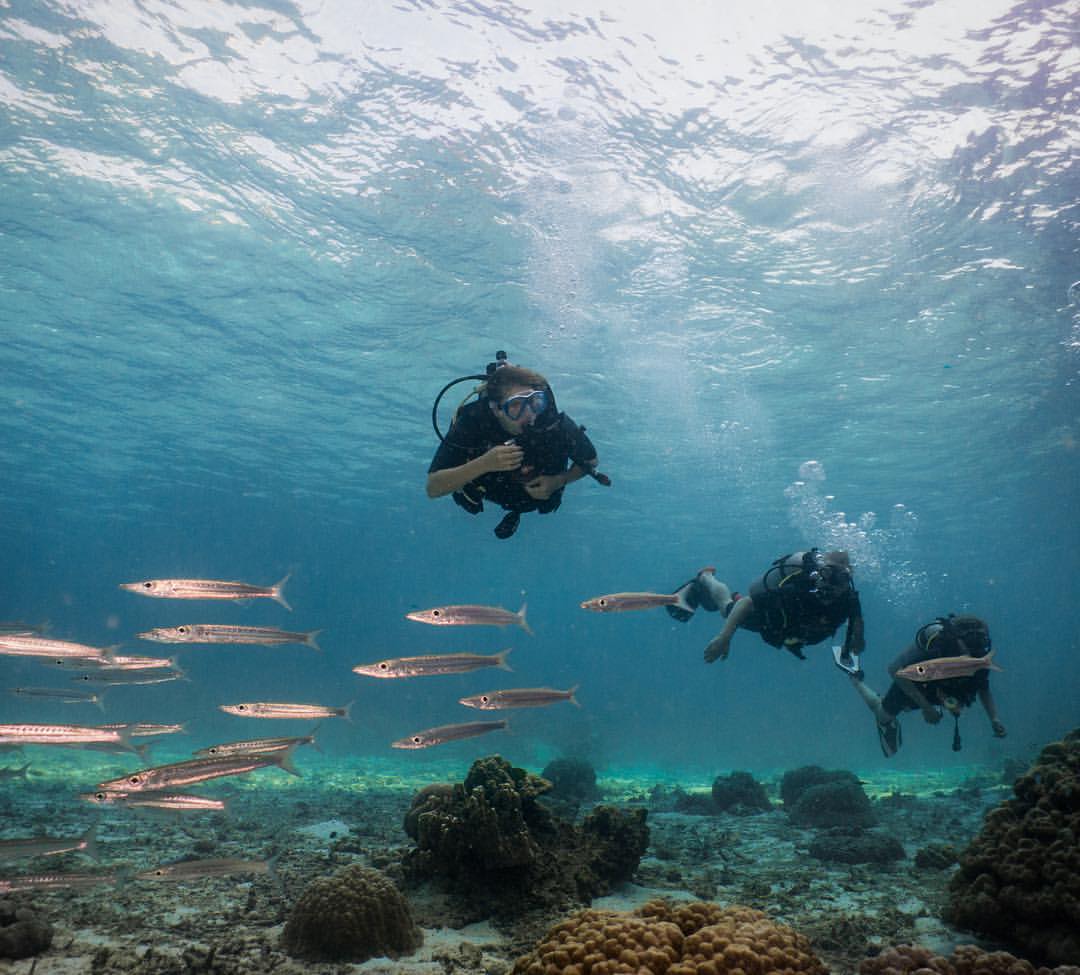
Most diving is done by boat, with options ranging from sheltered reefs and island sites to deeper and more exposed offshore locations. This gives both less experienced and advanced divers different possibilities depending on the dive site and current conditions.
The main diving season around Koh Lanta runs from November to April, when the Andaman Sea is generally calmer and conditions are more favourable for boat diving. This is also the main period for trips to offshore sites such as Koh Haa, Koh Rok, Hin Daeng and Hin Muang.
From May to October, the southwest monsoon can bring rougher seas, stronger winds and more rain. Several islands and dive areas within the national park are seasonally closed during this period, so available dive trips can be limited. Exact opening and closing dates can vary, so check current conditions before travelling.
Water temperatures around Koh Lanta are warm during the main diving season and are usually around 28–30°C. Visibility varies between dive sites and can change with weather, currents and local conditions.
Conditions also vary considerably between locations. Sheltered reefs can offer relatively relaxed diving, while offshore sites such as Hin Daeng and Hin Muang are deeper and can experience stronger currents, making them more suitable for experienced divers.
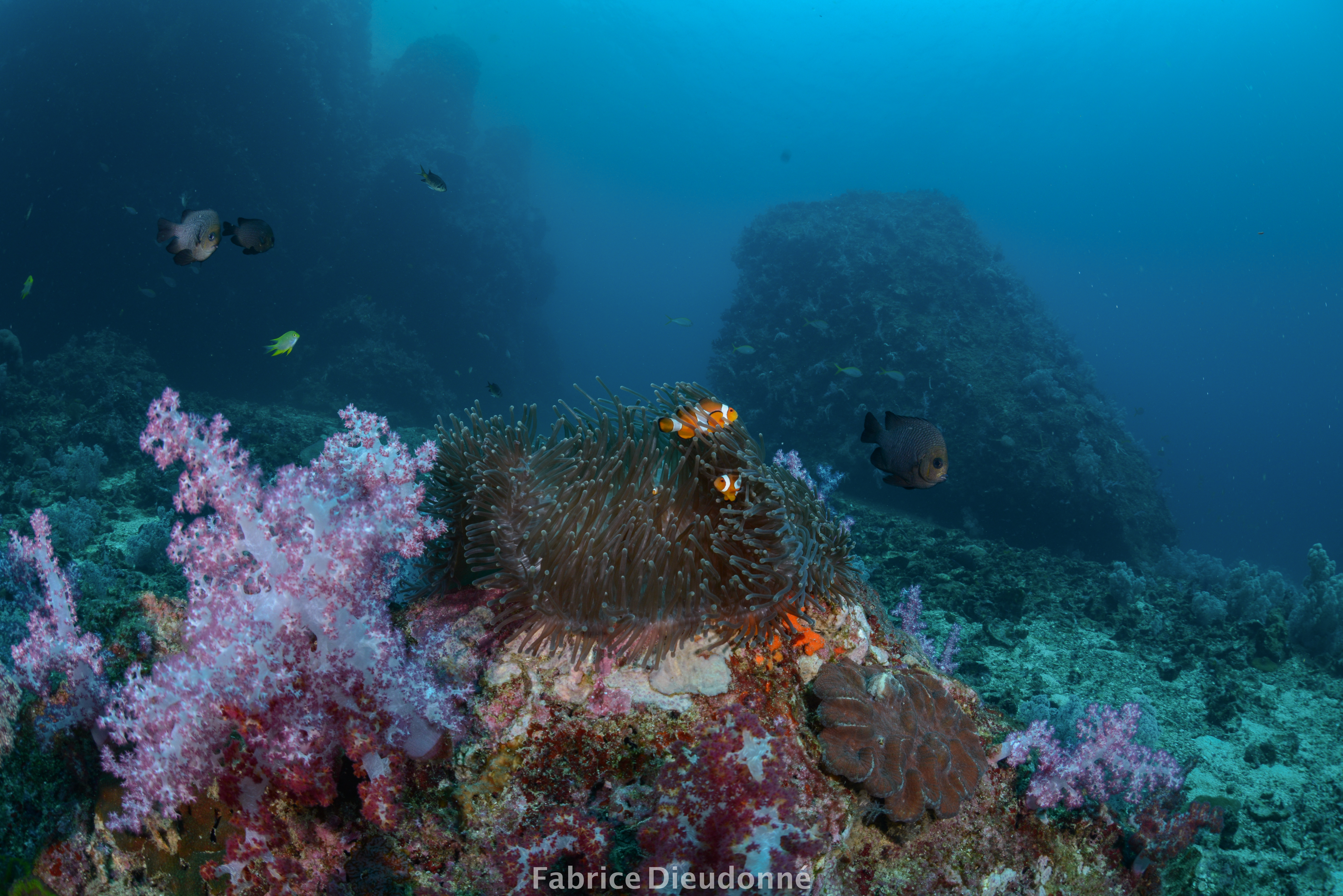
The dive areas reached from Koh Lanta are home to a wide variety of tropical marine life, including colourful reef fish, moray eels, barracuda and other reef species. Different environments around Koh Haa, Koh Rok and the offshore pinnacles provide opportunities to encounter both smaller reef life and larger marine species.
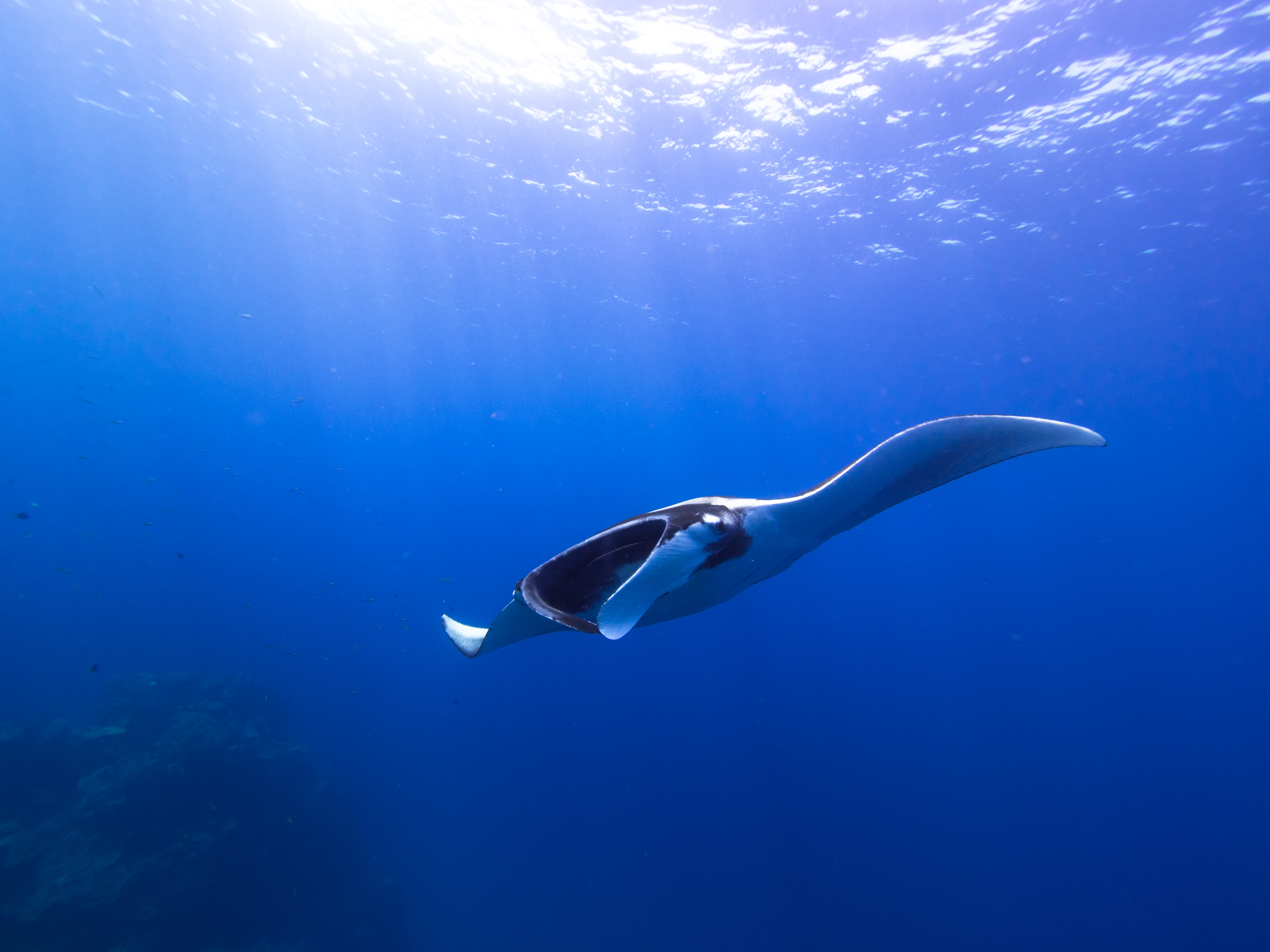
Manta rays and whale sharks are occasionally encountered around deeper offshore sites such as Hin Daeng and Hin Muang, but sightings are never guaranteed.
Most diving from Koh Lanta is organised through local dive centers, with boat trips heading to dive areas around Koh Haa, Koh Rok, Koh Bida and the more distant offshore pinnacles of Hin Daeng and Hin Muang.
The variety of dive sites means Koh Lanta can offer options for different experience levels, but not every site is suitable for every diver. When planning your diving days, consider the season, your certification and experience, and current sea conditions.
The main diving season runs from November to April, when the Andaman Sea is generally calmer and the widest range of offshore dive sites is accessible.
Some diving may be possible outside the main season, but the southwest monsoon affects sea conditions and several offshore areas are seasonally closed. Most diving activity therefore takes place between November and April.
Yes, some dive areas around Koh Lanta offer conditions suitable for less experienced divers. Other sites, particularly deeper and more exposed offshore pinnacles such as Hin Daeng and Hin Muang, can have stronger currents and are better suited to experienced divers.
Water temperatures during the main diving season are generally around 28–30°C, although conditions can vary by location and time of year.
Koh Haa, Koh Rok, Hin Daeng and Hin Muang are among the best-known dive areas reached from Koh Lanta. Koh Bida is another option visited by dive boats in the wider region. Different sites offer reefs, limestone formations and deeper offshore diving.
Divers can encounter colourful reef fish, moray eels, barracuda and a variety of other tropical marine life. Larger species including manta rays and whale sharks are occasionally seen at offshore sites such as Hin Daeng and Hin Muang, but encounters are never guaranteed.